 Naa Songs
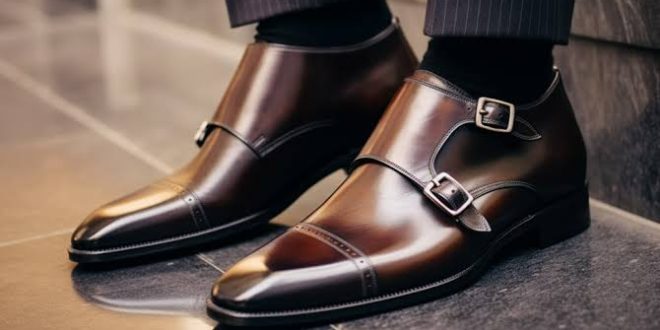
Ask most men why a pair of dress shoes costs $150 at one store and $1,500 at another, and the honest answer is usually a shrug: ‘brand,’ or ‘leather,’ or some vague gesture toward quality. Both of those things matter, but they’re not actually where most of the price difference comes from. The real gap lives inside the shoe, in construction methods most people have never had explained to them, buried under an insole they’ll never lift up. Understanding those methods changes how you shop for shoes permanently — and makes it much harder to be impressed by a shiny upper on a poorly built base.
Why Shoes Are Judged Differently Than Other Garments
A jacket that’s slightly imperfect is still wearable. A shoe with a structural flaw fails within months, because footwear is the one garment category subjected to constant mechanical stress — body weight, flexing, moisture, friction against pavement — with every single step. That’s why shoemaking developed its own specialized vocabulary of construction methods long before anyone worried about jacket linings or shirt collars. The stakes for getting the structure right are simply higher, and the price of getting it right reflects that.
Goodyear Welt vs. Blake Stitch: The Construction That Matters Most
The single biggest factor separating disposable shoes from investment pieces is how the sole is attached to the upper. Cemented construction, used in most affordable shoes, glues the sole directly on — cheap to produce, but impossible to repair once the sole wears through; the whole shoe gets discarded.
- Goodyear welt —invented by Charles Goodyear Jr. in 1869, this method stitches a strip of leather (the welt) to both the upper and the insole, then stitches the outsole to that welt. The result is fully resoleable, often multiple times, without ever damaging the upper. Premium factory-made shoes using this method commonly involve more than 200 separate production steps spread across several weeks.
- Blake stitch —a single stitch runs directly through the insole, upper, and outsole from inside the shoe. It produces a sleeker, lower-profile silhouette than a Goodyear welt, popular in Italian shoemaking, though it’s somewhat less weatherproof and typically needs a specialist for resoling.
- Hand-welting —the pre-industrial original, where a craftsperson hand-stitches the welt with an awl and waxed thread rather than a machine. It takes many hours per shoe rather than minutes, which is why hand-welted shoes are largely reserved for bespoke makers and a handful of top-tier ready-to-wear houses, commanding some of the highest prices in the category.
The Leather Determines More Than People Realize
Beyond construction, leather selection quietly does a huge amount of the pricing work. Full-grain calfskin, box calf, and specialty tannages like shell cordovan each behave completely differently underfoot and age in distinct ways. Shell cordovan in particular — made from a dense layer of tissue in a horse’s hindquarters rather than standard hide — is scarce, difficult to work with, and prized for developing a rolling, waxy shine that ordinary calfskin can’t replicate. Exotic leathers like crocodile push the price further still, not just because the material itself is costly, but because cutting around natural scale patterns to keep them symmetrical wastes far more material than working with a uniform calfskin hide.
Lasts, Fit, and the Bespoke Difference
A ‘last’ is the foot-shaped mold a shoe is built around, and it’s arguably the most underappreciated factor in how a shoe actually feels. Ready-to-wear shoes are built on a standardized last meant to approximate a range of feet reasonably well. Bespoke shoemaking starts from a last carved specifically to an individual’s foot, sometimes refined across multiple fittings before a final pair is ever cut. This is why a well-fitted bespoke shoe can feel dramatically different from a similarly priced ready-to-wear pair built on generic lasts — the fit itself, not just the materials, is part of what’s being paid for.
How Many Hours Actually Go Into a Pair
The labor time gap across tiers is enormous. A machine-Goodyear-welted shoe from a respected factory can involve upwards of 200 individual operations spread across roughly eight weeks of production, much of it still requiring skilled hands even with machinery involved. A fully hand-welted or bespoke pair multiplies that labor further, since a hand-welter works at a fraction of a machine’s speed to maintain the precision the process is known for. None of this labor is visible from the outside — it shows up only in how the shoe wears, flexes, and holds up over years rather than months.
When Price Reflects Rarity, Not Just Craft
Construction and materials explain the bulk of the price range within quality footwear, but at the very top of the market, an entirely different pricing logic takes over — one driven by exclusivity, materials like precious metals and gemstones, or cultural and collector value rather than construction alone.
For a look at exactly how far that ceiling goes — from diamond-encrusted showpieces to limited sneaker collaborations — Original Luxury’s breakdown of the world’s most expensive men’s shoes lays out where craftsmanship-driven pricing ends and pure rarity-driven pricing begins.
How to Spot Quality Construction at a Glance
A few quick checks help separate genuine craftsmanship from a well-marketed cemented shoe, even without cutting one open:
- Flex the shoe —a welted sole flexes at the ball of the foot while holding its shape elsewhere; a cheap cemented sole tends to fold unnaturally across its full length.
- Look at the sole edge —a visible welt strip running around the perimeter of the sole indicates Goodyear or hand-welt construction rather than cemented.
- Check the stitching pattern —a single visible stitch line running through the insole from inside the shoe usually indicates Blake construction rather than a welt.
- Ask about resoling —any retailer selling genuinely welted shoes should be able to explain the resoling process without hesitation, since it’s central to the construction’s value proposition.
None of this makes a $150 pair of shoes a bad purchase — plenty of people simply don’t need shoes built to be resoled for twenty years. But understanding what’s actually happening beneath the insole turns a purely emotional price reaction into an informed one, which is really the whole point of learning any craft from the outside in.