 Naa Songs
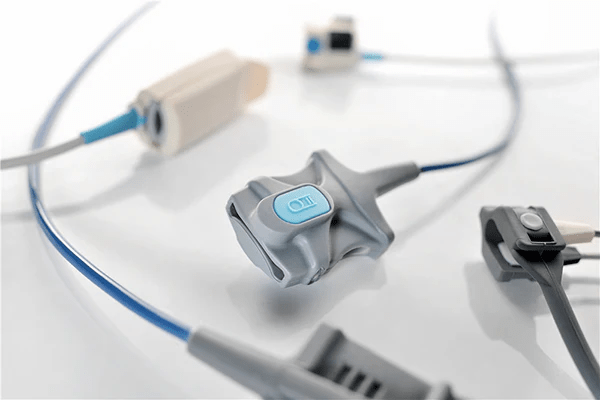
For any SpO2 reusable sensor, the cable jacket plays a critical role in durability and safety. These sensors are frequently exposed to disinfectants, cleaning agents, and bodily fluids in clinical environments. Without proper material selection, cable degradation can lead to signal instability, cracking, or a shortened product lifespan.
This is why experienced SpO2 sensor suppliers such as Unimed prioritize jacket materials that can withstand repeated sterilization and chemical exposure while maintaining flexibility and biocompatibility.
TPU as the Preferred Material for Chemical Resistance
Thermoplastic polyurethane is widely used in medical cable manufacturing due to its strong balance of properties. TPU offers excellent resistance to chemicals, abrasion, and wear, making it suitable for reusable medical devices.
In addition to durability, TPU maintains flexibility even after repeated cleaning cycles, which is essential for patient comfort and long-term usability. Many OEM reusable sensor cables use medical-grade TPU jackets to ensure consistent performance in demanding hospital conditions.
Silicone Rubber for Harsh Sterilization Environments
Silicone is another strong candidate, particularly in environments involving high temperatures or aggressive sterilization processes. It can tolerate extreme heat and remains stable under repeated autoclave cycles.
Although silicone provides excellent thermal resistance and flexibility, its chemical resistance can vary depending on the formulation. For this reason, it is often selected for specialized applications where heat resistance is a priority alongside moderate chemical exposure.
PVC and TPE as Cost-Effective Alternatives
PVC and thermoplastic elastomers are also used in some reusable sensor cables. These materials provide acceptable chemical resistance and are easier to process, making them suitable for cost-sensitive OEM projects.
However, compared to TPU, they may offer lower resistance to long-term exposure to harsh disinfectants and repeated bending. This trade-off should be carefully evaluated during the prototyping phase.
Material Selection for OEM Flexibility
Modern reusable sensors may combine multiple materials such as TPU, silicone, and TPE to achieve a balance of chemical resistance, flexibility, and durability.
For OEM projects, working with SpO2 sensor suppliers like Unimed allows customization of cable structure and jacket composition based on clinical use scenarios, whether for ICU monitoring, outpatient care, or neonatal applications.
Conclusion
Choosing the right cable jacket material is essential for ensuring the longevity and reliability of a SpO2 reusable sensor. TPU stands out for its chemical resistance and durability, while silicone supports high-temperature environments, and PVC or TPE provides cost-effective options. By collaborating with experienced SpO2 sensor suppliers such as Unimed, manufacturers can select materials that align with both performance requirements and real-world clinical conditions.
