 Naa Songs
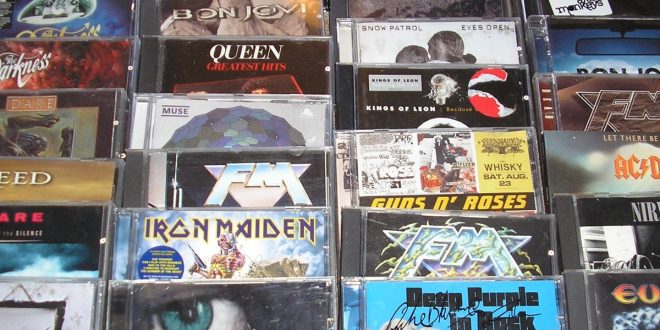
Over time, music discovery has seen significant transformation. Millions of songs are instantaneously available on streaming services, but convenience doesn’t always equal the thrill of perusing physical albums and discovering something new. CDs continue to provide a fulfilling means for listeners interested in heavy metal, vintage rock, and the many genres in between to discover music and create a collection that feels unique.
The experience is enhanced by the purchase of second-hand CDs. Music lovers may browse albums from various decades, revisit significant artists, and sometimes come upon releases they would not have actively sought online, rather than restricting a collection to current releases.
Examining The Roots Of Classic Rock
Decades of evolving musical genres have formed the vast catalogue of classic rock. Before progressively delving into progressive rock, hard rock, blues rock, glam, or other similar genres, some fans start with well-known artists. This kind of enquiry is especially fun with physical CDs as one record may inevitably lead to another.
Liner notes, production credits, track lists, and album artwork may all provide hints about artists and inspirations. A producer’s name might link many albums with a similar sound, while a guitarist listed on one recording could have performed with another band. Making these little connections may transform casual listening into a far more comprehensive musical experience.
Additionally, older CD collections may expose listeners to albums that aren’t as well-known as an artist’s best-known releases. While exploring physical music encourages individuals to examine whole albums, streaming suggestions often highlight famous singles.
Tracking The Transition From Rock To Metal
The development of heavy metal was not isolated. Hard rock and other harder musical genres that preceded it are strongly linked to its origins. Developing a CD collection might help you recognise such connections.
Before switching to conventional heavy metal, a listener could start with classic hard rock. Curiosity may then lead to doom, death metal, black metal, thrash, power metal, progressive metal, and a plethora of other genres. Different approaches to songwriting, rhythm, atmosphere, guitar work, and vocals are introduced by each style.
There is no rigid route that this evolution must take. Finding what sounds intriguing and letting individual albums direct the next selection is the enjoyable part.
Discovering Albums Other Than The Easy Selections
Uncertainty is one of the joys of looking through second hand CDs. There may be a well-known CD on a shelf next to a record by a musician you’ve never heard of. A catchy song title, recognisable cover art, or a record label connected to beloved artists might all be sufficient to inspire innovation.
Without depending only on an algorithm, these discoveries may expand a listener’s taste. A solo album may show a different side of a musician who was previously solely known as a member of a band, or an unknown collection may present several artists at once.
Finding an album that has been hard to find may sometimes be satisfying in pre-owned collections, older pressings, discontinued releases, special editions, and albums that are no longer often available as new goods might sometimes show up out of the blue.
Putting Together A Personalised Collection
There is no requirement for two music collections to be identical. While some people design shelves around metal subgenres, others may concentrate mostly on classic rock. Others could mix well-known releases with obscure albums, compilations, live recordings, and unexpected finds.
By collecting second hand CDs, you may add that element of uniqueness to the experience. Each purchase might be an experiment, a suggestion, a favourite artist, or a fortuitous discovery. With time, the collection evolves beyond only music that has been saved. It turns into a chronicle of evolving preferences and discoveries.
Maintaining The Listening Routine With Physical Music
Physical music and streaming don’t have to compete. Both may be used for various things. While CDs provide a more methodical approach to consuming albums and keeping track of favourite releases, streaming is helpful for swiftly sampling new artists.
Physical albums provide a plethora of exploration options, ranging from the roots of classic rock to the intensity and diversity of heavy metal. Finding music may seem less robotic and more intimate while browsing, selecting, listening, and collecting, giving older releases a chance to become new favourites.